



How a Late-Night Idea Turned into 75+ Confident Student Voices
On the evening of a regular working day, almost two weeks before 13th February, a simple question changed everything.
“We celebrate International Women’s Day every year. But why don’t we actively celebrate National Women’s Day?”
That question stayed with us.
National Women’s Day marks the birth anniversary of Sarojini Naidu — the Nightingale of India, a freedom fighter, poet, and one of the earliest women leaders of our country.
We work closely with schools.
We interact with young minds every day.
And we realized something important:
If awareness doesn’t begin early, it never becomes natural.
That evening, the idea was born.
The Next Morning: Turning Thought into Structure
By the very next day, a meeting was scheduled.
Not to casually discuss.
But to design.
Present in that discussion were:
- Suvajit
- Suparna
- Suman
- Khairul
The first decision we made was critical:
This will not be an informal celebration.
It will be structured, documented, and meaningful.
Before informing even one school, we defined:
- What is the objective?
- What exactly will teachers say?
- What exactly will students do?
- How will videos be recorded?
- How will evaluation happen?
- Who will coordinate what?
Clarity first. Announcement later.
The Heart of the Event: “The Woman You Love”
We didn’t want students to just listen.
We wanted them to feel.
That is how the theme emerged:
“The Woman You Love”
The idea was simple.
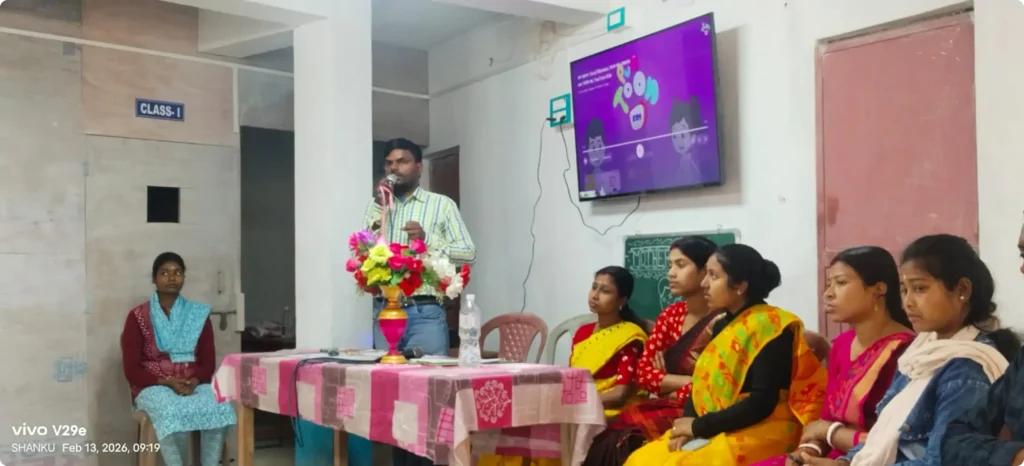
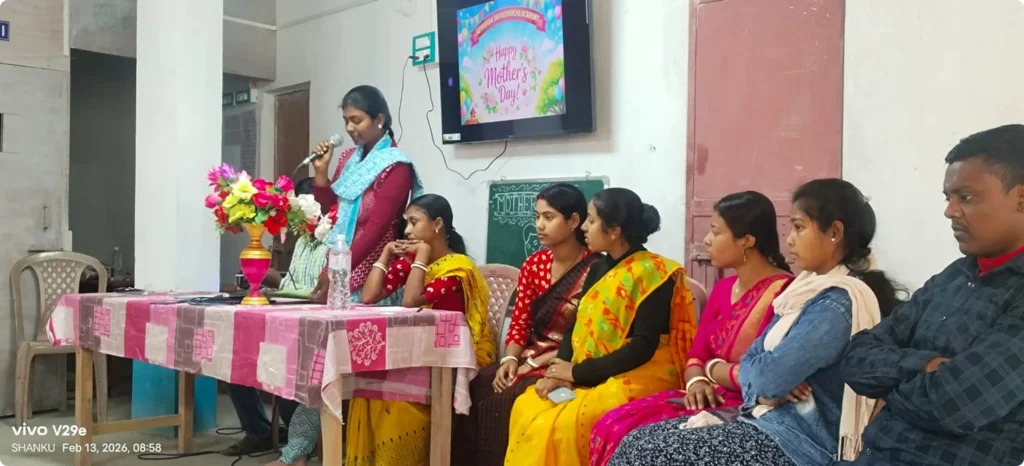
Teachers would begin the day by speaking about Sarojini Naidu — explaining:
- Who she was
- Why we celebrate National Women’s Day
- Why women’s leadership matters even today
Then, students would come forward.
Each child would:
- Hold the photograph of a woman they admire
- Speak about her role in their life
- Express gratitude and inspiration
It could be their mother.
Their grandmother.
A teacher.
A sister.
A national leader.
History would connect with emotion.
And that connection would create impact.
Building the Foundation: Scripts, Structure, and SOP
Once the concept was clear, the real work began.
Suparna took charge of academic structure.
She didn’t just write a speech outline.
She wrote:
- Complete teacher speech scripts in English
- The same scripts in Bengali
- A storytelling-style format so children wouldn’t feel bored
- Structured talking points to ensure consistency
Why bilingual?
Because comfort builds confidence.
Some schools prefer English.
Some are more comfortable in Bengali.
We wanted clarity, not hesitation.
But we didn’t stop there.
A complete SOP document was created.
It included:
Teacher Guidelines
- Opening structure
- Time duration
- Voice clarity suggestions
Student Guidelines
- Speech length
- Structured format (Introduction → Personal Story → Conclusion)
- How to hold the photograph
- Posture and presentation tips
Video Recording Instructions
- Horizontal recording
- Proper lighting
- Clear audio
- School uniform mandatory
i-curve visible
Why uniform?
Because discipline shapes seriousness. Uniformity makes the event look organized, not casual.
Teacher speech images and videos
Evaluation Criteria (Pre-defined Before Execution)
- Loudness
- Clarity
- Confidence
- Body language
- Knowledge
- Pronunciation
- Fluency
- Discipline
Defining criteria before the event ensured fairness.
Everything was combined into one structured PDF and shared with the team before going to schools.
Posters, Creativity & the Role of Technology
Once documentation was ready, communication began.
Suvajit handled the creative layer.
Using AI tools and Canva, posters were designed quickly and professionally.
Interestingly, many of these designs were created during busy school visits — sometimes while coordinating admissions or diagnostic tests.
Instructions were drafted using AI. Design was completed on Canva. Creatives were shared across school and community groups.
At one point, just two days before the event, a school requested a flex design for printing.
Within minutes, a new creative was drafted and shared.
Later, when we saw students speaking in front of that printed flex banner, the ambience felt complete.
Technology helped us move fast.
But structure ensured consistency.
Calling Every School — One by One
Posters alone do not ensure participation.
Personal communication does.
Suman began calling each school individually.
Total schools contacted: 12–14
Active participation: 10 schools
Each call included:
- Explaining the event theme
- Clarifying guidelines
- Addressing doubts
- Ensuring teachers understood the objective
Follow-ups were done again before the event.
On the morning of 13th February, schools were contacted once more to encourage smooth execution.
This micro-follow-up mattered.
The Day Itself
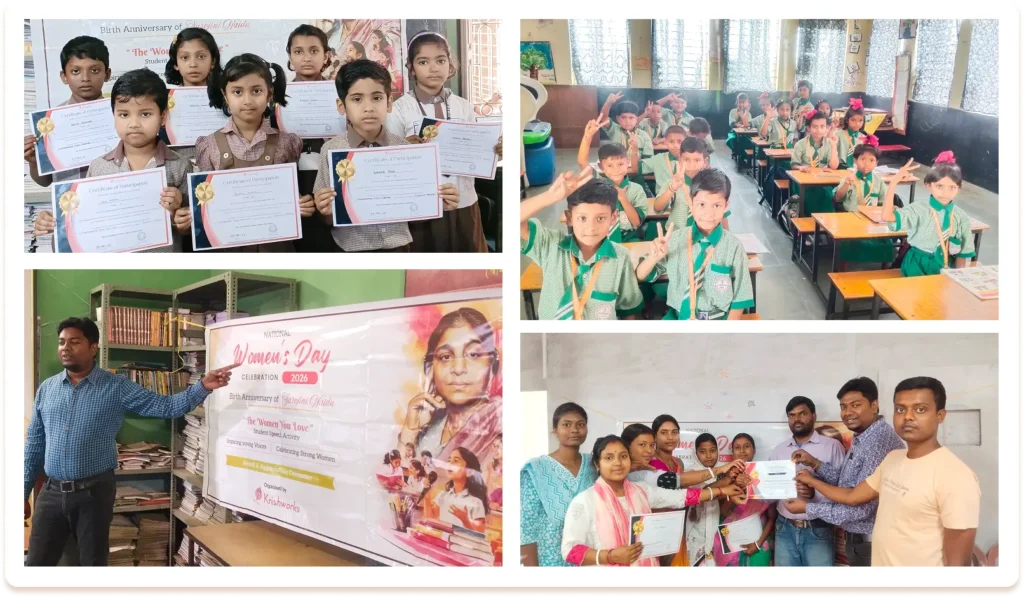
By mid-morning, videos began arriving.
Students in uniform.
Photographs in hand.
Speaking confidently.
By the end of the day:
Around 75–80 video entries received
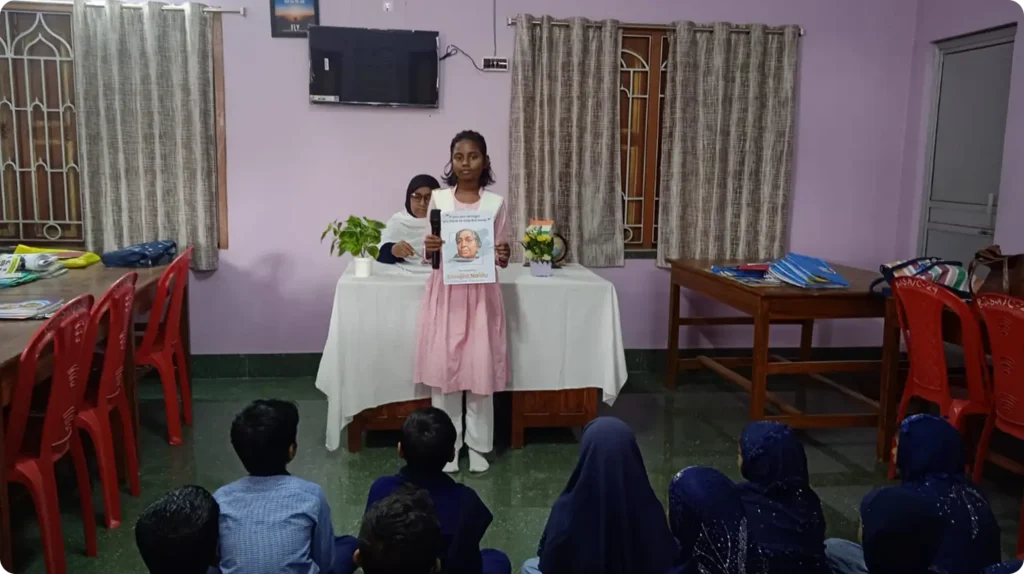
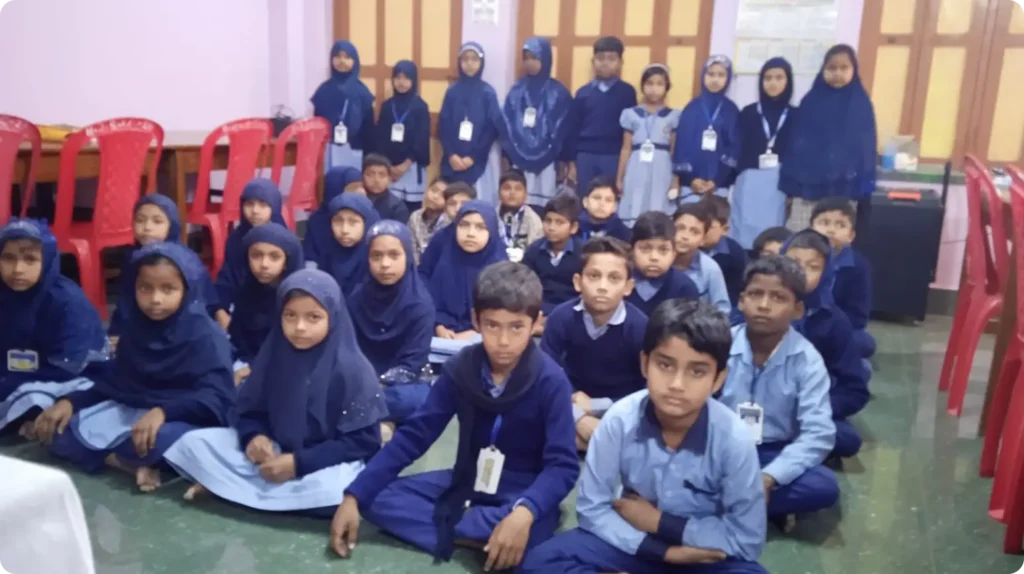
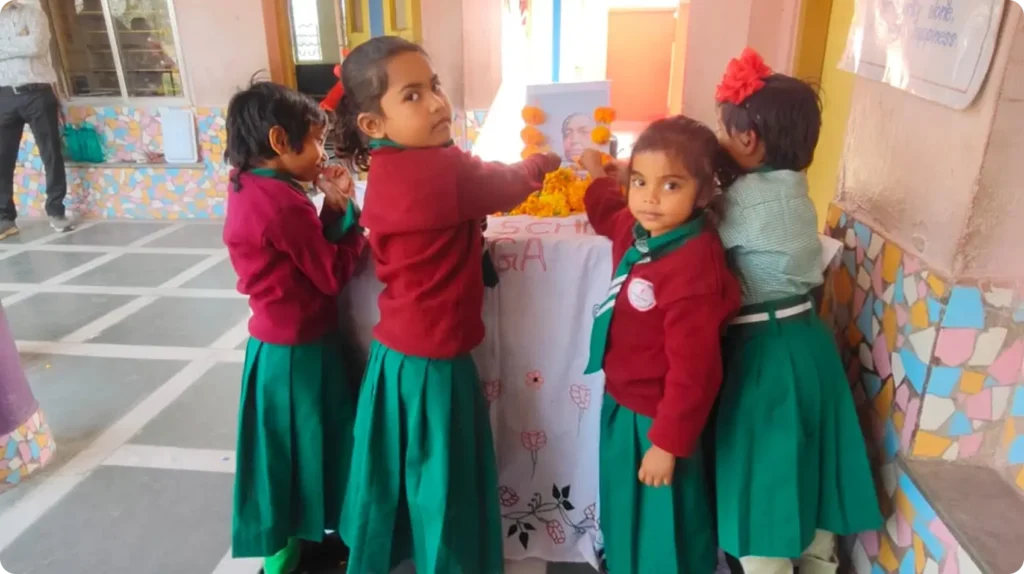
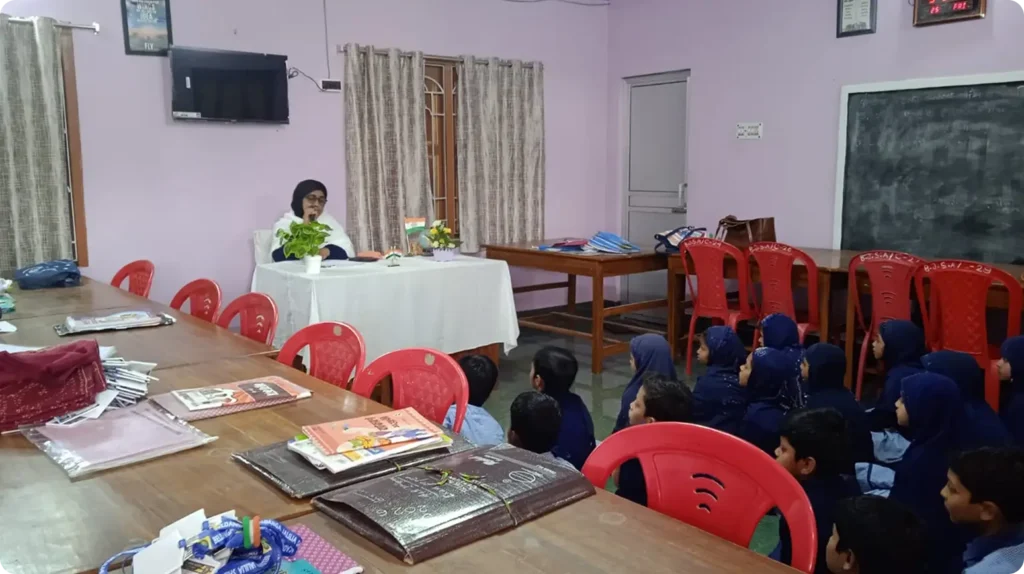
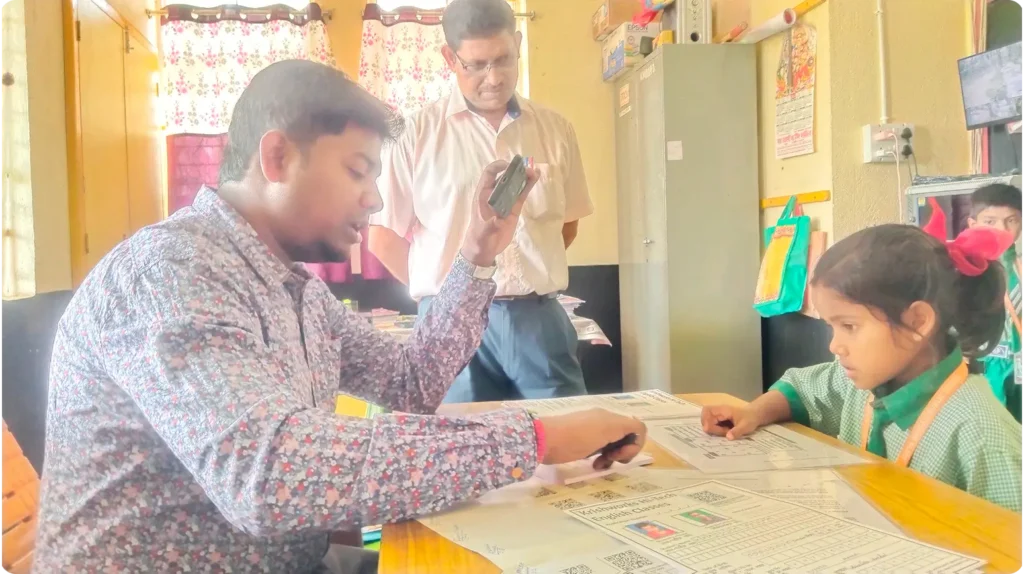
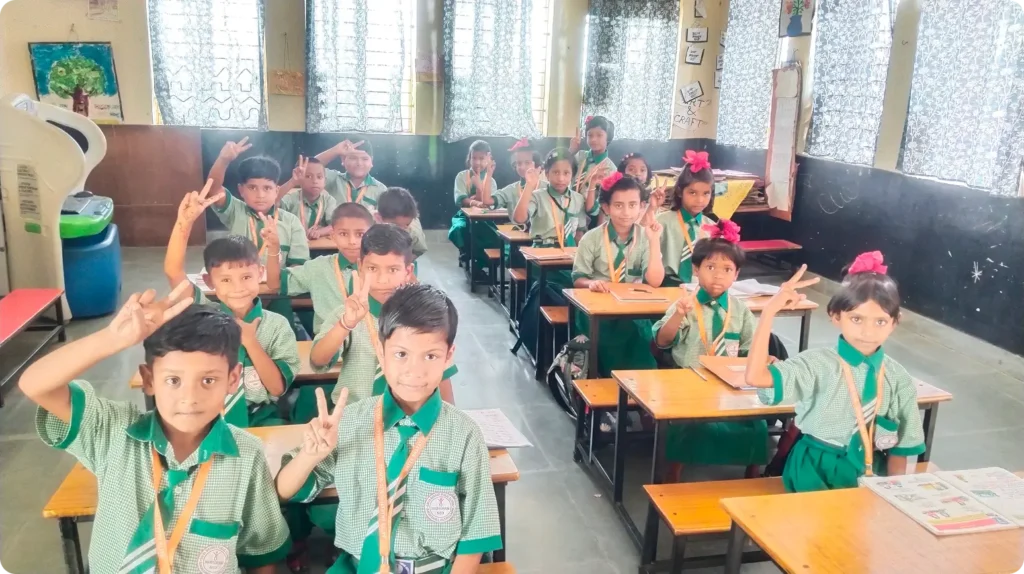
Images and videos from schools
Multiple photos shared
Two schools did not participate.
But instead of disappointment, there was satisfaction.
Because 10 schools executed beautifully.
Participation rate: approximately 83%.
The Silent Work After the Applause
The event didn’t end when videos arrived.
It had only entered the review phase.
Every single video was:
- Watched carefully
- Evaluated individually
- Categorized for awards
- Assessed for improvement areas
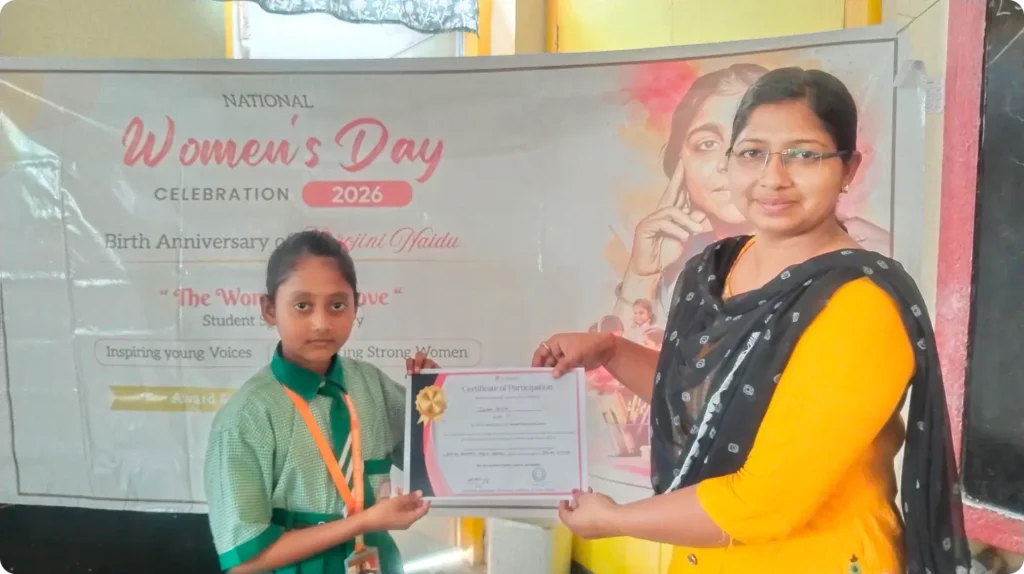
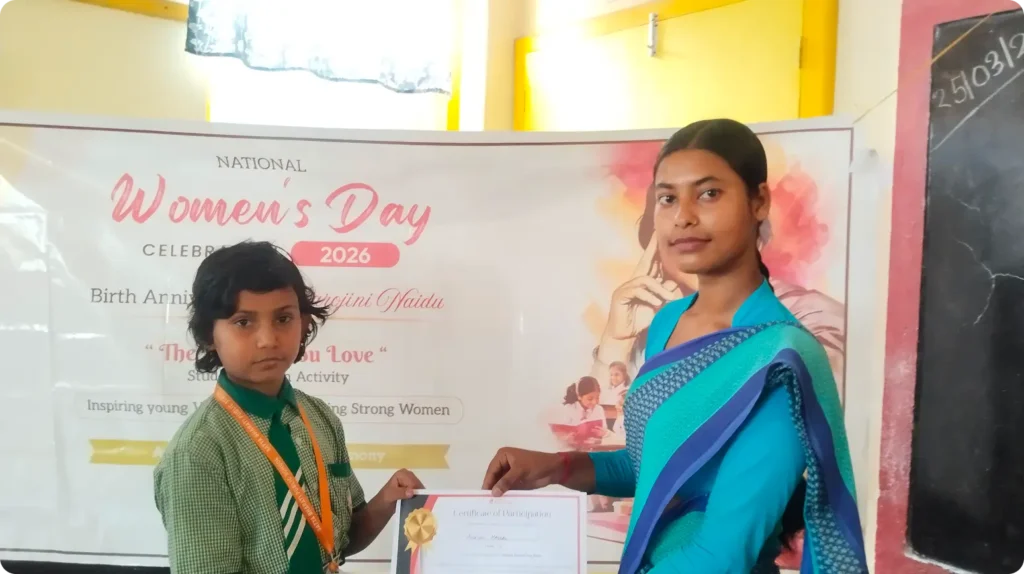
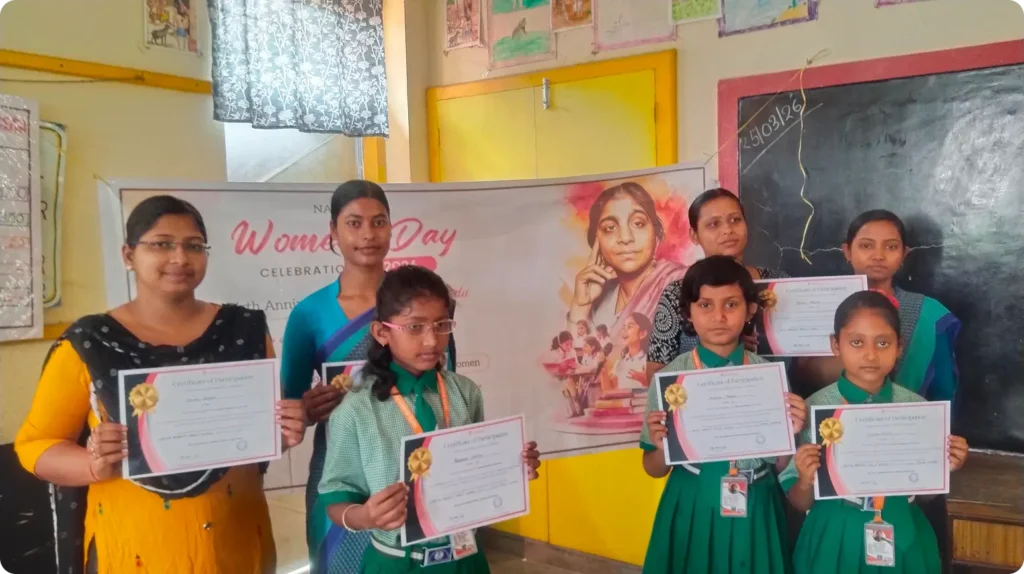
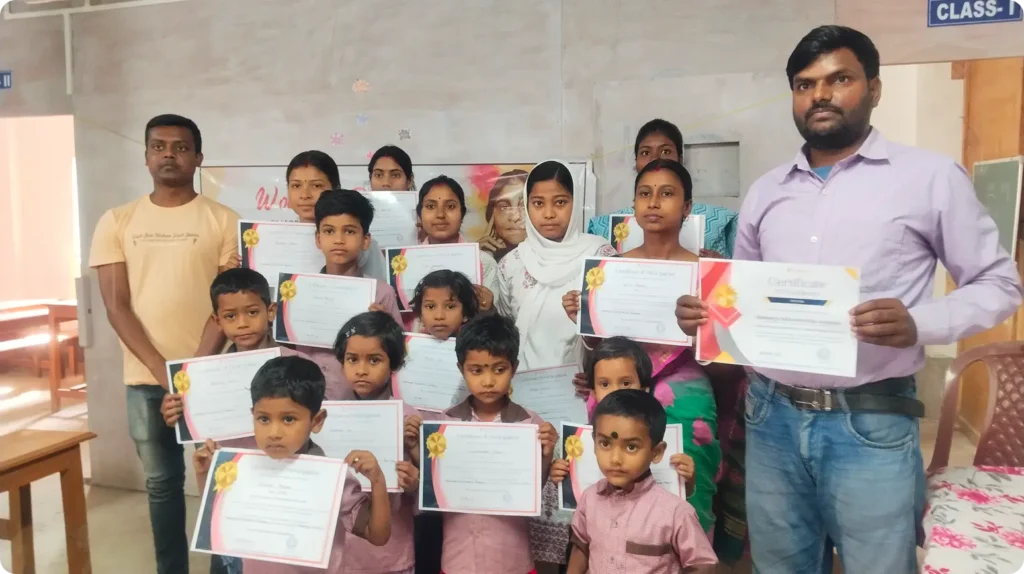
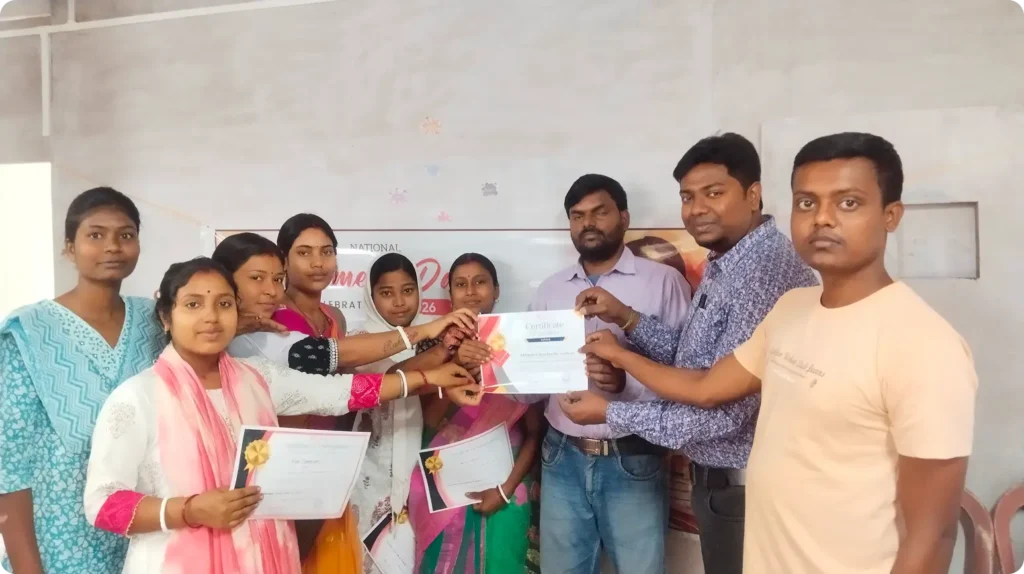
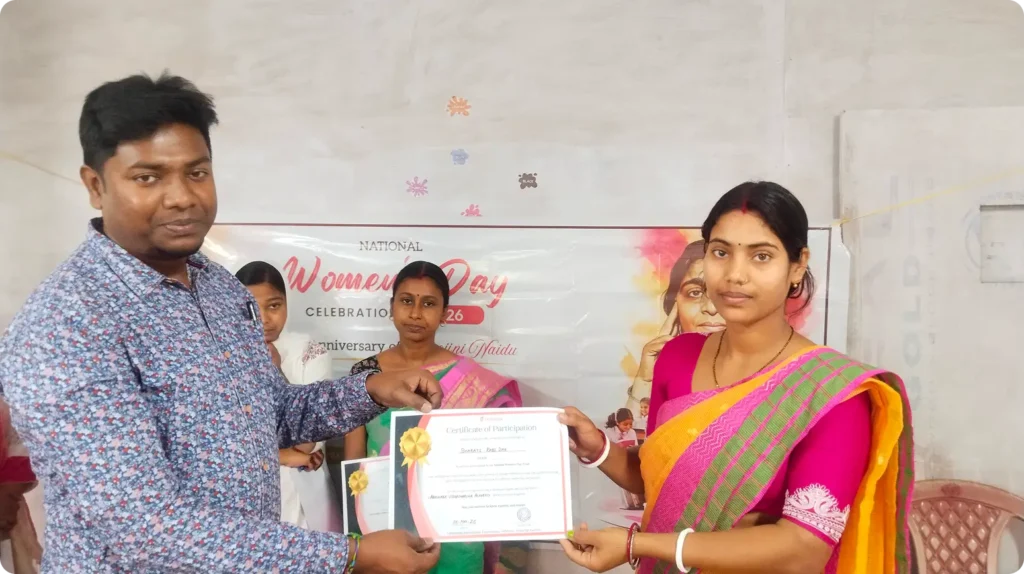
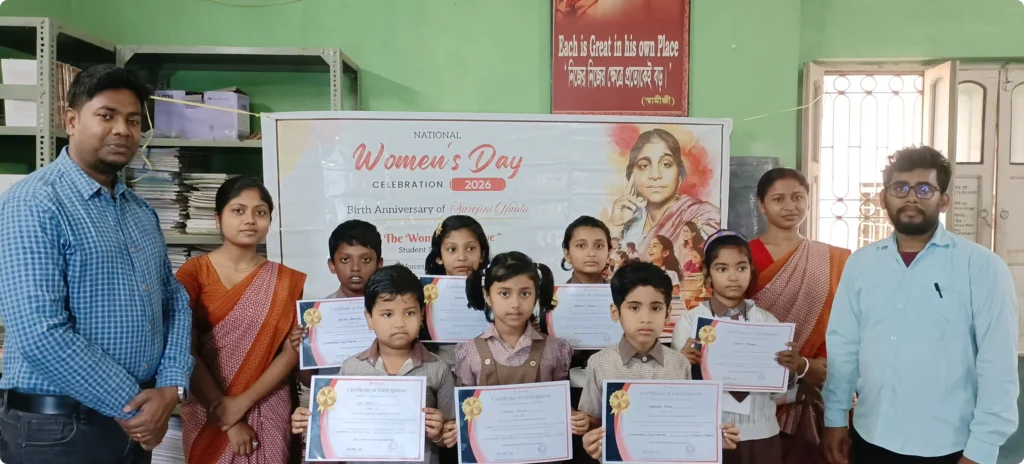
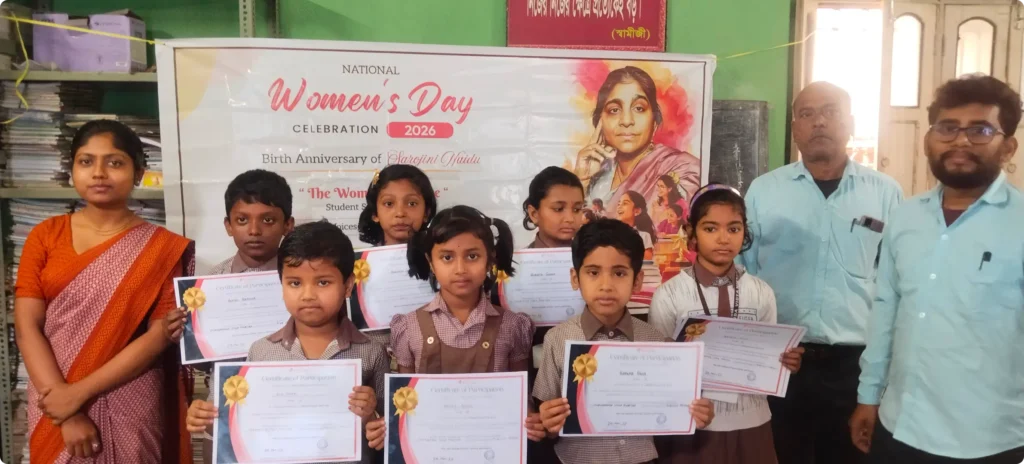
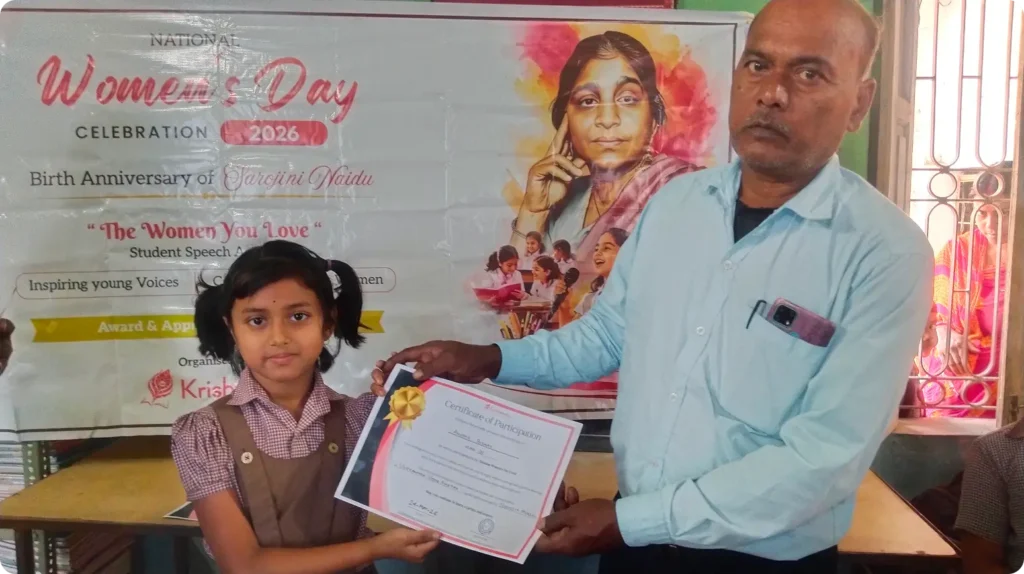
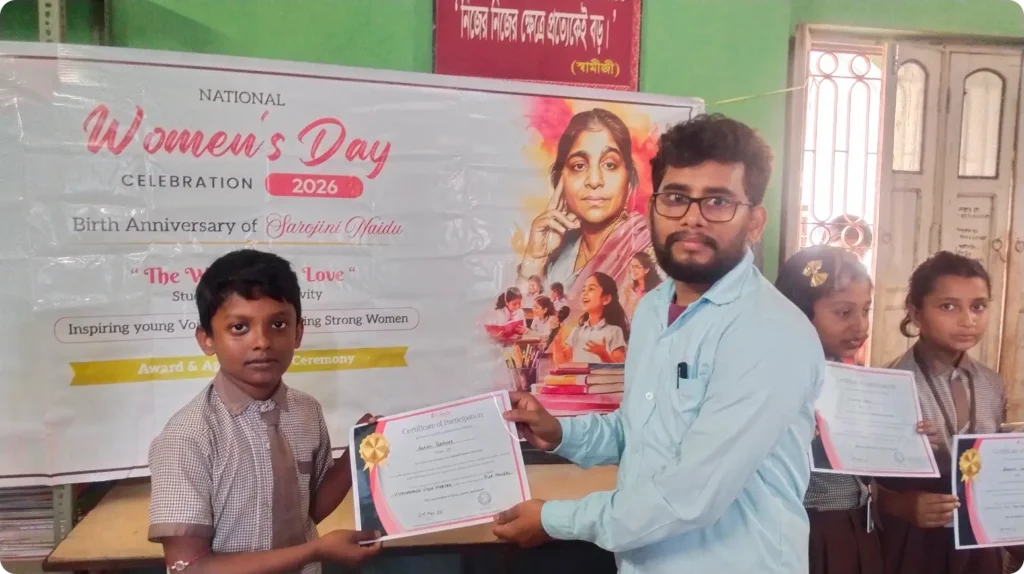
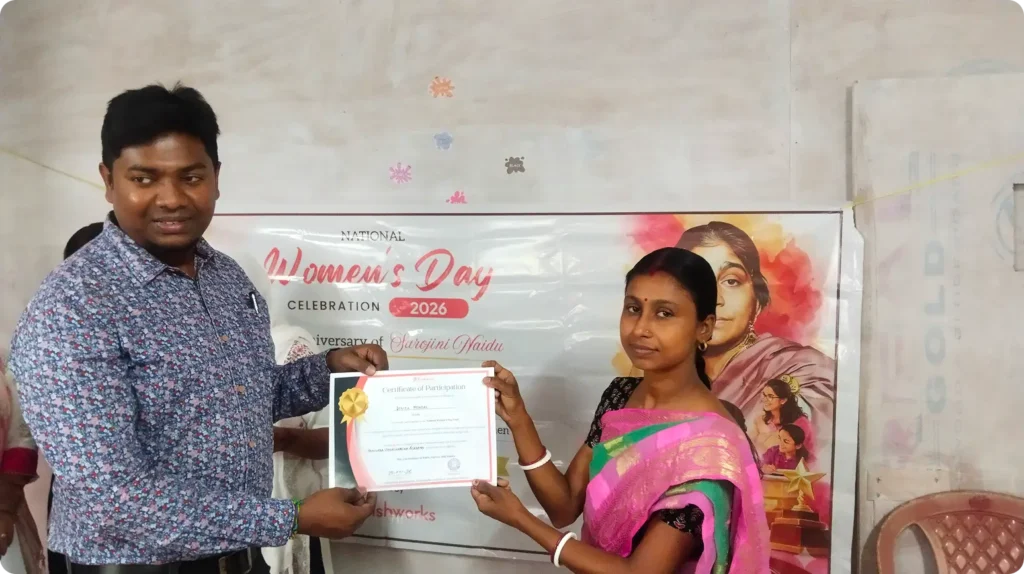
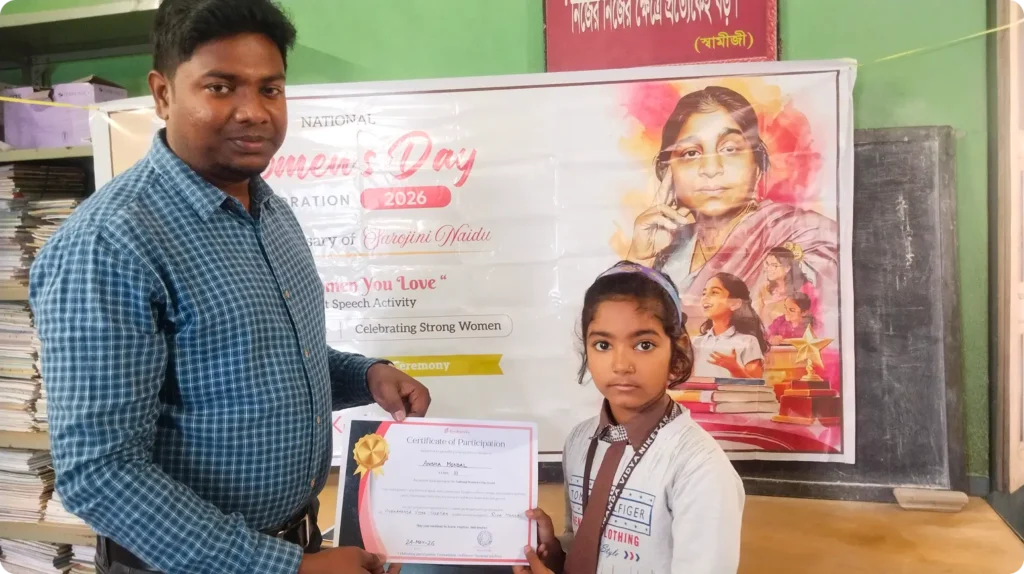
Certificates distributed to students and teachers
No shortcuts.
No random selection.
Structured review.
Feedback will be shared with each school for growth.
The Moment That Touched Us Most
While watching those videos, something unexpected happened.
Most of these children spoke in English.
English is not their mother tongue.
Yet they:
- Spoke clearly
- Expressed emotion
- Maintained eye contact
- Showed confidence
They were not memorizing.
They were expressing.
Many of us did not receive such platforms in our childhood.
These students are not just learning a language.
They are learning:
- Confidence
- Gratitude
- Public speaking
- Structured thinking
- Courage
That realization made the effort worth it.
What This Celebration Really Achieved
Yes, we celebrated Sarojini Naidu.
Yes, we marked National Women’s Day.
But more than that, we:
- Created awareness
- Built student confidence
- Strengthened school collaboration
- Demonstrated structured execution
- Used technology effectively
- Reinforced equality values
This was not just a cultural program.
It was a system-driven educational initiative.
A Final Reflection
Empowered women build empowered societies.
But empowered students build empowered futures.
National Women’s Day 2026 reminded us that meaningful initiatives do not require massive budgets.
They require:
- Clear thought
- Structured planning
- Defined roles
- Consistent communication
- Emotional connection
- Careful execution
And when all of that aligns, even a simple idea can echo across 75 young voices.
And this is only the beginning.